

Our Family Has Given A Voice To The Injured For Over 50 Combined Years
Newark Dram Shop Liability Attorneys
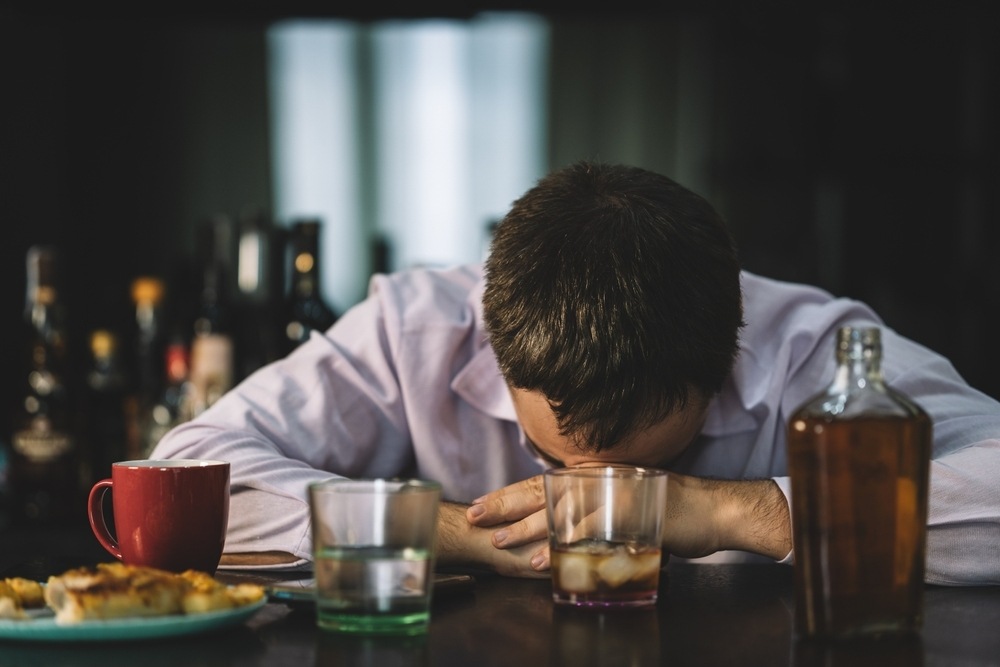
A serious drunk driving crash can expose a major gap between the injured person’s losses and the driver’s available auto insurance.
When that happens, a Newark dram shop liability attorney looks beyond the driver to determine whether a bar, restaurant, liquor store, or other licensed alcohol seller may also be legally responsible.
Under New Jersey’s Licensed Alcoholic Beverage Server Fair Liability Act, a licensed server may be liable when it negligently serves alcohol to a visibly intoxicated person or to a minor the server knew or reasonably should have known was underage, and that service contributes to the resulting injury.
Goldstein & Goldstein, LLP handles Newark dram shop and drunk driving cases from our East Orange office.
We investigate where the driver was drinking, what the establishment served, whether there were visible signs of intoxication, and what additional insurance coverage may be available beyond the driver’s policy.
Call our office to discuss whether a dram shop claim may apply to your case. We offer free consultations in English, Spanish, and Haitian Creole.
What Can I Recover in a New Jersey Dram Shop Case?
Recovery in a New Jersey dram shop case may include medical expenses, lost earnings, lost future earning capacity, pain and suffering, and other damages typically available in personal injury actions.
The Dram Shop Act itself does not create a separate damages framework, and the same categories that apply to the underlying drunk driving claim apply to the dram shop claim.
The Firm Handling These Cases
 Goldstein & Goldstein, LLP has handled Essex County injury cases since 1997. Richard Goldstein founded the practice and now works alongside his son Michael J. Goldstein, a New Jersey Supreme Court Certified Civil Trial Attorney.
Between our four attorneys, we bring more than 50 combined years of practice to New Jersey injury cases.
Prior recoveries in our office include $1.1 million, $825,000, $800,000, $695,000, and $609,000. Prior results do not guarantee similar outcomes in any future case.
Can I Sue the Bar That Overserved the Driver Who Hit Me?
You may be able to sue the bar that overserved the driver who hit you, New Jersey state law provides remedies for negligent alcohol service under the Licensed Alcoholic Beverage Server Fair Liability Act, commonly called the Dram Shop Act.
The Act permits a claim against a licensed alcoholic beverage server whose service of alcohol was the proximate cause of injury to a third party, but only in specific circumstances.
What the Statute Actually Says
The New Jersey Dram Shop Act treats a licensed server as negligent when it serves a visibly intoxicated person or serves a minor under circumstances where the server knew or reasonably should have known the person was underage.
The plaintiff must also show that the negligent service was a proximate cause of the injury.
Which Businesses Fall Under the Act
The Act applies to licensed alcoholic beverage servers, meaning businesses licensed by the state to sell alcohol for on-premises or off-premises consumption.
Bars, restaurants, taverns, hotels, catering halls, and liquor stores all fall within the definition. Employees may also be reached under the Act when they participated in the negligent service.
Where These Cases Come From in Essex County
Dram shop claims usually arise from a specific set of Essex County scenarios:
- Late-night crashes on Route 21, Route 78, and the Garden State Parkway after bar close
- Collisions involving drivers leaving Newark bars and restaurants
- Pedestrian strikes near Ironbound, Broad Street, and Prudential Center establishments
- Crashes involving underage drivers served at a bar or package store
- Post-sporting-event crashes on the corridors leading away from Newark venues
Each scenario carries different evidentiary problems. Sorting out whether a dram shop claim fits the facts is the first analytical step in any drunk driving injury case.
What Does NJ Law Require to Hold a Bar Liable?
New Jersey law requires proof that the server sold or served alcohol to a person who was visibly intoxicated, or to a minor the server knew or reasonably should have known was underage, and that the service was a proximate cause of the injury.
The visibly intoxicated standard is a real limit on liability, and defense counsel spends most of a dram shop case fighting it.
The Visibly Intoxicated Standard
 Visible intoxication means signs of intoxication that would be apparent to a reasonably observant server. Slurred speech, unsteady balance, glassy or bloodshot eyes, and inappropriate behavior are the classic indicators.
Bar employees typically receive some form of training on recognizing these signs, and their training materials sometimes become evidence in the case.
Underage Service and What the Server Knew
Service of alcohol to anyone under 21 is prohibited in New Jersey, and a licensed server may face dram shop liability under N.J.S.A. 2A:22A-5 when the server knew or reasonably should have known the person was underage. The Division of Alcoholic Beverage Control enforces alcohol licensing statewide and pursues license discipline separately from civil claims.
Connecting Service to the Crash
Proximate cause connects the negligent service to the injury. The plaintiff must show that the intoxication produced by the negligent service was a substantial factor in causing the crash.
When a driver drinks at multiple bars in one night, identifying the last-serving establishment often becomes central to the case.
What Is the Deadline to Sue a Bar in NJ?
The general deadline to bring a personal injury claim in New Jersey is two years from the date of the injury under N.J.S.A. 2A:14-2, and that deadline applies to dram shop claims.
The statute of limitations governs when the lawsuit must be filed, not when the evidence must be gathered.
The Evidence Clock Runs Faster Than the Filing Clock
 The evidentiary timeline in a dram shop case is often shorter than the statutory deadline suggests. Surveillance video, credit card records, and point-of-sale data may exist for a limited period before routine business practices overwrite or purge them.
A written preservation demand sent to the establishment early may protect records that would otherwise disappear before suit is filed.
Other Deadlines That May Apply in the Same Case
Some claims that run alongside a dram shop action carry different deadlines. Claims against a public entity require a notice of tort claim within 90 days under the New Jersey Tort Claims Act.
Wrongful death actions carry their own two-year statute measured from the date of death. Identifying every potential defendant early keeps the deadline analysis clean.
Is a House Party Host Liable if a Drunk Guest Hurts Someone?
A house party host may be liable in New Jersey under a doctrine called social host liability, which is separate from and narrower than dram shop liability for licensed servers.
Social host liability generally applies when the host served alcohol to a visibly intoxicated adult guest who then caused injury to a third party while operating a motor vehicle.
The Social Host Framework
Social host liability rests on New Jersey Supreme Court decisions and later statutory refinement, not on the Dram Shop Act.
The theory reaches private individuals rather than licensed businesses, and the standards for proving liability are similar but not identical to the licensed server framework.
Parents, Homeowners, and Underage Drinking
Providing alcohol to a person under 21 at a private residence carries separate legal exposure in New Jersey, both criminally and civilly.
A person who knowingly provides or facilitates alcohol for underage guests may face criminal consequences and, depending on the circumstances, civil liability when an intoxicated guest later injures someone.
Graduation season in Essex County suburbs produces these cases regularly.
What Evidence Does a Dram Shop Case Need?
 A dram shop case needs evidence that establishes the driver’s service history at the establishment, the driver’s condition at the time of service, and the connection between the service and the crash.
Nearly all of that evidence lives at the bar itself, and much of it disappears quickly under ordinary business practices.
The Records That Prove What Happened Inside the Bar
Priority evidence in a New Jersey dram shop claim typically includes:
- Bar receipts and credit card records showing drinks purchased and the time of purchase
- Point-of-sale (POS) data showing individual drink orders and timestamps
- Interior and exterior surveillance video from the establishment and neighboring properties
- Server, bartender, and manager witness statements
- Employee alcohol service training records
- Prior incident and license discipline history for the establishment
Preservation letters sent to the bar and its insurer within days of the crash may protect key evidence. The specific case depends on the specific establishment’s records.
Working Backward From the BAC
Blood alcohol testing on the driver after the crash provides one anchor point, but connecting that back to the timing and volume of service at the bar often requires expert analysis.
A forensic toxicologist may work backward from the BAC to estimate the number and timing of drinks consumed, which the defense then contests with its own expert.
Why Do Lawyers File Against Both the Driver and the Bar?
Lawyers file against both the driver and the bar because the two claims target different insurance policies, one of several insurance dos and don’ts worth understanding before a claim moves forward.
The driver claim runs against the driver’s personal auto policy, while the dram shop claim runs against the establishment’s liquor liability coverage. Both claims may proceed together in a single lawsuit.
Two Defendants, One Jury Verdict
Combining the driver and dram shop claims in one action gives the plaintiff access to both coverage sources and lets the jury allocate fault under New Jersey’s comparative negligence framework.
The driver typically bears the largest share of fault. The bar’s share depends on how egregious the service was and how directly it caused the crash.
| Party | Insurance Source | Typical Coverage Range |
|---|---|---|
| Drunk driver | Personal auto liability policy | $35,000 to $500,000 per person |
| Licensed bar or restaurant | Liquor liability policy | Varies widely by establishment |
| Social host (adult guests) | Homeowner or renter policy | Varies by policy and exclusions |
| Social host (minor guests) | Homeowner policy, often disputed | Coverage often contested |
A crash producing catastrophic injuries against a driver with minimum limits may look like a losing coverage picture until the bar’s liquor liability policy is added.
Adding a viable dram shop claim may provide access to another source of coverage when the driver’s limits are not enough.
FAQs for Dram Shop Lawyers in NJ
The bartender says they served the driver only two drinks. Does the case fall apart?
No, the case does not fall apart just because the server claims low service. What the server says at the time of the crash is one piece of evidence, and it often contradicts what the receipts, POS data, and surveillance video actually show.
Bartender testimony frequently shifts once records are subpoenaed.
If the drunk driver was my own friend or family member, can I still bring a dram shop claim against the bar?
Yes, your relationship to the drunk driver does not prevent a dram shop claim against the bar that served them. The claim runs against the establishment for its own negligent service, and it proceeds independently of anything you may or may not decide to do about the driver.
The restaurant is part of a national chain. Does that change anything?
Yes, national chains often carry substantially larger liquor liability coverage than independently owned bars, and they typically have corporate risk management that responds quickly.
The legal test under the Dram Shop Act is the same, but the practical dynamics of preservation, discovery, and settlement negotiations are different.
Can I bring a dram shop claim against a private club or a BYOB restaurant?
Maybe, depending on the licensing arrangement and how alcohol was actually provided. Private clubs that hold alcoholic beverage licenses fall within the Act.
BYOB restaurants generally do not sell alcohol, so a straight dram shop claim against the restaurant itself is often unavailable, though other liability theories may apply.
What if the drunk driver crashed after leaving a wedding or a catered event?
You may have both a dram shop claim against the licensed caterer or venue and, in some circumstances, a social host claim against the party who hired them.
Catering halls and wedding venues that hold liquor licenses fall within the Dram Shop Act. Layering the two claims is fact-specific.
Run the Coverage Math Before You Decide There Is No Case

Richard Goldstein, Dram Shop Liability Lawyer
Most people call a dram shop lawyer after somebody else has already told them the case is not worth pursuing. The driver has minimum limits, the bar was crowded, nobody remembers exactly what the driver ordered.
That framing skips the analysis that actually decides whether a dram shop claim exists — the analysis that starts with subpoenaed records, not with what the driver or the bartender remembers.
Bring what you have to our East Orange office. The police report number, any medical records, the driver’s insurance information if you have it, and anything you know about where the driver was drinking before the crash.
Michael and Richard Goldstein review dram shop cases personally, in English, Spanish, or Haitian Creole. There is no fee unless we recover, and the coverage analysis costs you nothing.
